Pododermatite nel cane: quando il leccamento delle zampe è un segnale clinico
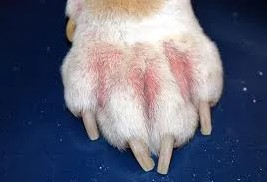
Pododermatite nel cane: cause e trattamento
👉 Scroll down for the full English version
Se il cane si lecca frequentemente le zampe non si tratta sempre di un comportamento passeggero. Il leccamento ripetuto può essere il primo segnale di una pododermatite nel cane, un’infiammazione cutanea che provoca prurito, arrossamento, gonfiore e talvolta dolore. Spesso il proprietario tende a sottovalutare questo sintomo, ma ignorarlo può favorire la cronicizzazione del problema e l’insorgenza di infezioni secondarie.
La pododermatite non rappresenta una malattia unica, bensì una manifestazione clinica che può avere molteplici cause. Tra le più frequenti troviamo le allergie ambientali, le allergie alimentari, le infezioni batteriche o fungine, la presenza di parassiti cutanei, corpi estranei come i forasacchi, traumi o il contatto con sostanze irritanti. Per questo motivo una diagnosi accurata è fondamentale per impostare una terapia realmente efficace.
L’importanza della diagnosi veterinaria
La diagnosi inizia sempre con una visita clinica approfondita, durante la quale vengono valutate le zampe, la cute e la storia clinica del paziente. In base ai rilievi emersi possono essere necessari esami specifici come la citologia cutanea, i raschiati per la ricerca di parassiti, esami colturali o test allergologici. Nei casi sospetti di allergia alimentare può essere indicata una dieta ad esclusione.
Senza individuare la causa primaria, le recidive tendono a diventare sempre più frequenti e richiedono terapie progressivamente più complesse. Si crea così un circolo vizioso di infiammazione e leccamento cronico che compromette la qualità della vita del cane.
Quando la causa è alimentare
In alcuni casi la componente nutrizionale gioca un ruolo determinante. Un paziente con episodi ricorrenti di leccamento delle zampe può mostrare miglioramenti temporanei con terapie locali, ma presentare ricadute a distanza di poche settimane. Solo attraverso accertamenti più approfonditi e una modifica mirata della dieta, con eliminazione degli allergeni responsabili, si può ottenere un miglioramento stabile del quadro clinico.
Questo dimostra quanto sia importante andare oltre il sintomo e affrontare la causa sottostante, soprattutto quando si sospetta una dermatite su base allergica.
I segnali da non sottovalutare
Il leccamento insistente, soprattutto dopo le passeggiate o nei momenti di riposo, rappresenta spesso il primo campanello d’allarme. Possono comparire arrossamento tra i polpastrelli, gonfiore, cattivo odore, secrezioni, perdita di pelo e nei casi più gravi zoppia o riluttanza a camminare. L’utilizzo di rimedi fai-da-te o prodotti non specifici può mascherare temporaneamente i sintomi ma ritardare la diagnosi, favorendo complicazioni e infezioni secondarie.
Terapia e gestione a lungo termine
Ogni forma di pododermatite richiede un approccio terapeutico personalizzato. In presenza di infezioni possono essere necessari antibiotici o antimicotici, mentre nei casi allergici si ricorre a terapie immunomodulanti e a una gestione ambientale e nutrizionale adeguata. Spesso il trattamento combina terapie locali e sistemiche, integrate da un monitoraggio periodico per prevenire le recidive.
La corretta igiene delle zampe rappresenta un valido supporto. Il lavaggio con detergenti delicati, l’asciugatura completa e il controllo dopo le passeggiate aiutano a ridurre il rischio di irritazioni e sovrainfezioni.
Il ruolo fondamentale della nutrizione nella salute cutanea
L’alimentazione influisce direttamente sulla salute della pelle e sulla capacità del sistema immunitario di modulare le risposte infiammatorie. Una dieta bilanciata, ricca di acidi grassi essenziali, antiossidanti e nutrienti di qualità, contribuisce a rafforzare la barriera cutanea e a sostenere il benessere generale del cane. Nei soggetti con allergia alimentare è indispensabile impostare un piano nutrizionale specifico, sotto supervisione veterinaria, per favorire la guarigione e prevenire nuove infiammazioni.
Il supporto di un veterinario esperto in nutrizione permette di scegliere il regime alimentare più adatto, sia attraverso alimenti commerciali di alta qualità sia mediante diete personalizzate correttamente bilanciate.
Quando rivolgersi al veterinario
Se il cane si lecca frequentemente le zampe o presenta arrossamenti persistenti, è consigliabile non rimandare la visita. Un intervento tempestivo consente di identificare la causa e impostare una terapia mirata, evitando complicazioni e recidive. L’approccio integrato che unisce diagnosi clinica, trattamento adeguato, corretta igiene e gestione nutrizionale rappresenta la strategia più efficace per garantire al cane un benessere duraturo e una migliore qualità di vita.
Prenota una consulenza nutrizionale e scopri la dieta più adatta al tuo cane o gatto.
Dr Edoardo Gonzaga – Veterinario Nutrizionista Toscana
Medico Veterinario Nutrizionista Master II livello, Medicina Veterinaria Legale e Forense, Fitoterapia e Omotossicologia, Membro del RCVS Londra, UK Veterinario Ufficiale, Consulente Tecnico del Tribunale di Livorno, Delegato ENPAV Roma, cda Ordine Med. Livorno.
Toscana – Livorno – Pisa e province – cell: 3492309408 – email: info@veterinariogonzaga.it
Pododermatitis in Dogs: When Paw Licking Is a Clinical Warning Sign
Dr. Edoardo Gonzaga – Veterinary Nutritionist – Tuscany – (Veterinario Nutrizionista Toscana)
If your dog frequently licks its paws, it should not always be considered a harmless or temporary behavior. Persistent licking may be an early sign of pododermatite in dogs, a skin inflammation affecting the paws that can cause itching, redness, swelling and sometimes pain. Many owners initially underestimate this symptom, but ignoring it may lead to chronic irritation and secondary infections.
Pododermatite is not a single disease but rather a clinical manifestation that can have multiple underlying causes. The most common include environmental allergies, food allergies, bacterial or fungal infections, skin parasites, foreign bodies such as grass awns, trauma or contact with irritating substances. For this reason, an accurate veterinary diagnosis is essential to establish an effective and lasting treatment plan.
The Importance of Veterinary Diagnosis
Diagnosis always begins with a thorough clinical examination, during which the paws, skin and the patient’s medical history are carefully evaluated. Depending on the findings, specific diagnostic tests may be required, including skin cytology, skin scrapings to detect parasites, bacterial or fungal cultures and allergy testing. In suspected cases of food allergy, an elimination diet may be recommended.
Without identifying the primary cause, recurrences tend to become increasingly frequent and require progressively more complex treatments. This creates a vicious cycle of chronic inflammation and persistent licking that negatively impacts the dog’s quality of life.
When Nutrition Is the Underlying Cause
In some cases, nutrition plays a decisive role. A dog with recurrent episodes of paw licking may show temporary improvement with topical therapies, only to relapse within a few weeks. Only after thorough diagnostic investigations and a targeted dietary modification, eliminating potential allergens, can a stable clinical improvement be achieved.
This highlights the importance of addressing the underlying cause rather than simply treating the visible symptoms, especially in cases of allergic dermatitis.
Signs That Should Not Be Ignored
Persistent licking, particularly after walks or during rest, is often the first warning sign. Redness between the paw pads, swelling, unpleasant odor, discharge, hair loss and, in more severe cases, lameness or reluctance to walk may also develop. The use of over-the-counter remedies or non-specific products may temporarily mask the symptoms but can delay proper diagnosis and lead to complications, including secondary infections.
Treatment and Long-Term Management of pododermatite
Each case of pododermatite requires a personalized therapeutic approach. Infections may require antibiotics or antifungal medications, while allergic conditions often benefit from immunomodulatory therapies and appropriate environmental and dietary management. Treatment frequently combines topical and systemic therapies, supported by regular monitoring to prevent recurrence.
Proper paw hygiene also plays an important supportive role. Gentle cleansing, thorough drying and careful inspection after walks help reduce the risk of irritation and secondary infections.
The Fundamental Role of Nutrition in Skin Health
Diet directly influences skin health and the immune system’s ability to regulate inflammatory responses. A balanced diet rich in essential fatty acids, antioxidants and high-quality nutrients helps strengthen the skin barrier and support overall wellbeing. In dogs with food allergies, a specifically formulated nutritional plan under veterinary supervision is essential to promote skin healing and prevent further inflammatory episodes.
The guidance of a veterinarian with expertise in nutrition is crucial in selecting the most appropriate feeding plan, whether based on high-quality commercial diets or carefully balanced home-prepared meals.
When to Consult Your Veterinarian
If your dog frequently licks its paws or shows persistent redness and discomfort, a veterinary consultation should not be postponed. Early intervention allows identification of the underlying cause and implementation of a targeted therapy, preventing complications and repeated flare-ups. An integrated approach combining accurate diagnosis, appropriate treatment, proper hygiene and nutritional management represents the most effective strategy to ensure long-term health and quality of life for your dog.
Book a nutritional consultation and discover the diet best suited for your dog or cat.
👉 Read other articles
Dr. Edoardo Gonzaga – Veterinario Nutrizionista Toscana
Veterinarian, II‑Level Master in Nutrition, Veterinary Legal & Forensic Medicine (Univ. Milan), Homotoxicology Practitioner, RCVS Member, UK Official Vet (OCQ(V)), Veterinary Technical Consultant – Court of Livorno, ENPAV Delegate (Rome), Board Member – Order of Veterinarians of Livorno
Livorno – Phone: +39 349 2309408 – Email: info@veterinariogonzaga.it